

The Myth of SaaS Resilience Is Breaking — Why DevOps Teams Must Rethink Cloud Dependency
Cloud convenience does not equal cyber resilience as outages, attacks, and downtime continue to rise
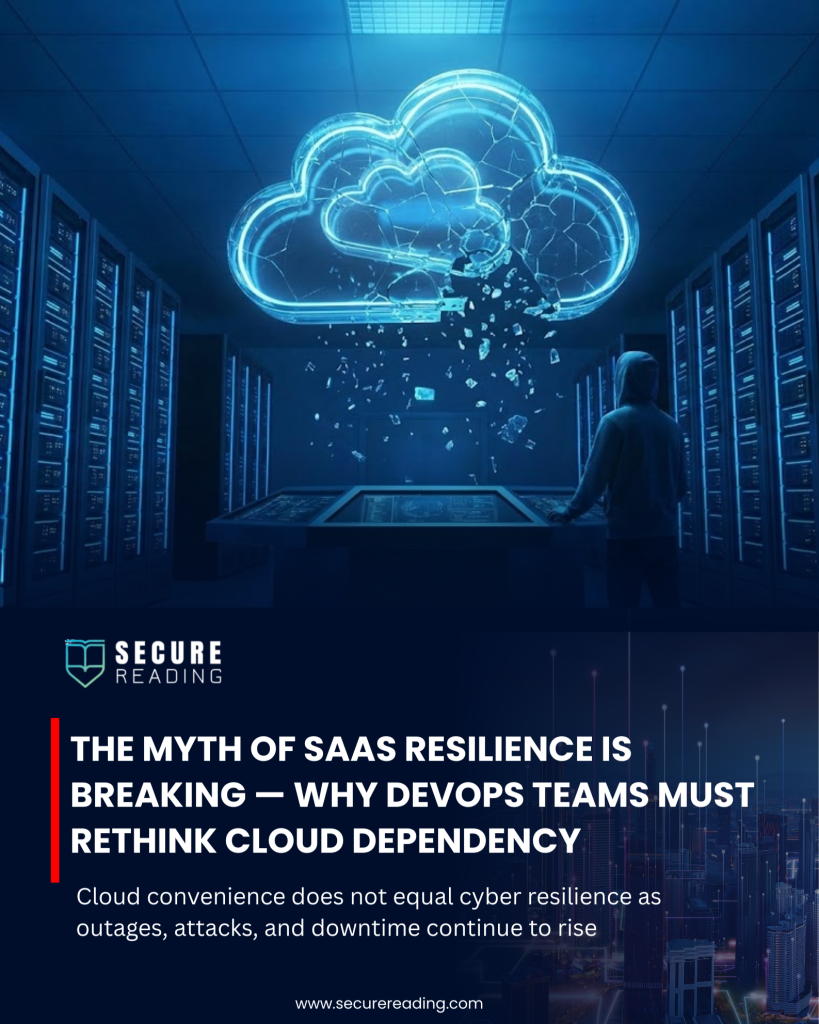
For years, public cloud and DevOps SaaS platforms were promoted as a near-perfect solution for security, availability, and performance. Many organizations embraced the promise of “always-on” services, trading granular control for managed convenience.
However, recent years have exposed a critical reality: cloud and SaaS platforms are not immune to outages, attacks, or operational failure. As a result, organizations that rely solely on SaaS providers increasingly face downtime, financial loss, and hidden security risks.
True cyber resilience requires more than trust in cloud availability.
The Reality Behind SaaS Downtime
In practice, popular DevOps SaaS platforms experience frequent service disruptions. These incidents range from full outages to degraded performance, login failures, and workflow interruptions.
The cumulative impact is significant. Thousands of hours of service degradation across major platforms have disrupted development pipelines, delayed releases, and halted business operations.
The takeaway is clear: outsourcing infrastructure does not outsource risk.
Understanding the Shared Responsibility Gap
Most SaaS platforms operate under a Shared Responsibility model. While providers secure their infrastructure, customers remain responsible for their data — including source code, metadata, issues, configurations, and workflows.
This distinction matters. Even when providers offer limited recovery assistance, the scope is often constrained. In many cases, customers cannot restore certain changes, such as deletions or corrupted data, without provider intervention — if restoration is possible at all.
Ultimately, no DevOps SaaS provider contractually guarantees full data protection or recovery.
The Single Point of Failure Problem
Relying exclusively on native SaaS backups creates a dangerous single point of failure.
When production data and backups reside within the same provider environment, an outage, misconfiguration, or attack can render both inaccessible. In such scenarios, organizations lose not only availability but also recovery options.
Additional risks include:
- Limited restore granularity
- Inflexible recovery scenarios
- Potential data gaps during high-activity periods
- Dependence on provider-defined recovery timelines
Native backups are a baseline — not a complete resilience strategy.
Business Impact Beyond IT
SaaS outages affect far more than engineering teams.
Operational disruption can halt development, delay releases, and block customer commitments. In regulated or SLA-driven environments, even short outages can trigger contractual penalties, reputational damage, and financial loss.
Moreover, downtime pressure often leads teams toward risky workarounds, including unsanctioned tools, manual sharing of sensitive data, or weakened security practices — creating long-term exposure well beyond the outage itself.
Compliance and Governance Risks
Many regulations and industry standards explicitly require robust backup, recovery, and business continuity controls. When SaaS downtime exposes weak recovery capabilities, organizations may face audit failures, certification delays, or regulatory findings.
Compliance frameworks increasingly expect independent, verifiable recovery capabilities, not blind trust in third-party platforms.
What Real Cyber Resilience Looks Like
True resilience is not about preventing failure — it is about recovering quickly and predictably.
Effective strategies typically include:
- Independent, comprehensive backups covering code, metadata, and configurations
- Isolated and immutable storage across multiple locations
- Clear recovery objectives (RTO and RPO)
- Tested restoration workflows
- The ability to recreate environments outside the primary SaaS provider
This approach shifts organizations from reactive firefighting to controlled recovery.
Why This Matters Now
As DevOps platforms become central to modern business operations, their failure directly impacts revenue, trust, and competitiveness.
Cyber resilience is no longer optional. It is a strategic requirement for organizations that want to innovate without being held hostage by downtime.