

When Digital Transformation Moves Faster Than Security: The Hidden Disaster Many Organizations Fail to See
As businesses accelerate digital transformation through cloud platforms, automation, and connected systems, many overlook a critical reality — innovation without strong cybersecurity can quietly create serious operational and financial risks.
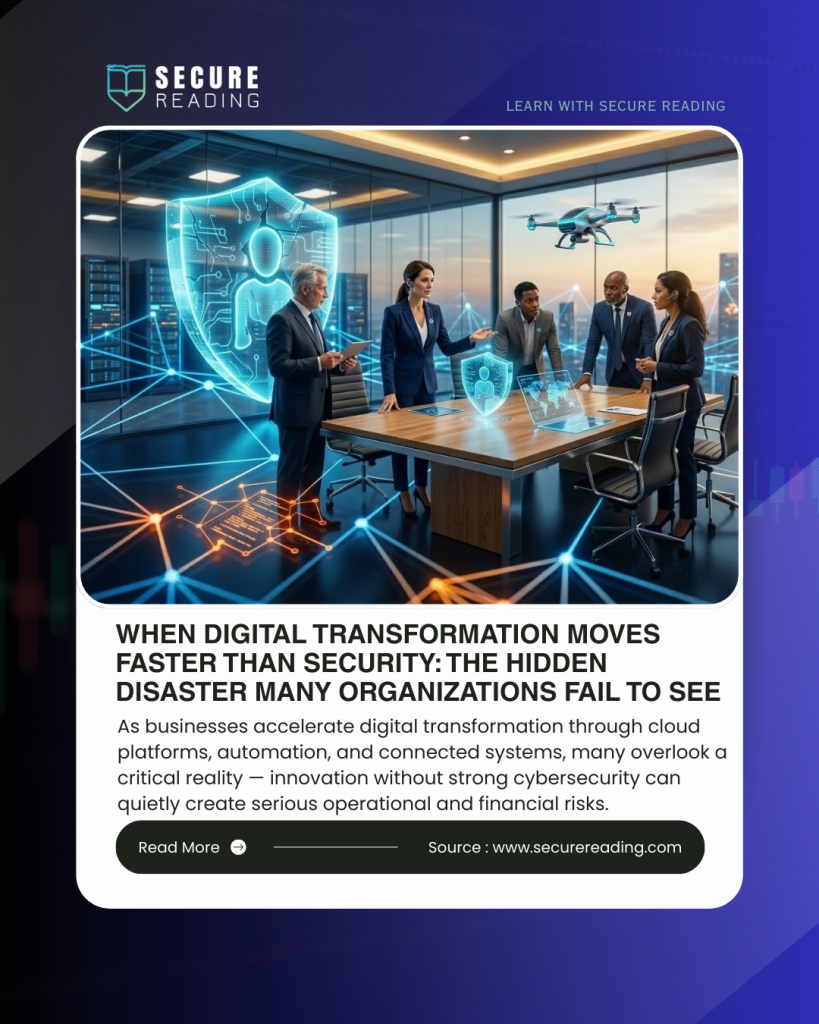
Digital transformation has become a priority for organizations across industries. Companies are adopting cloud infrastructure, remote work systems, AI tools, and connected business platforms to improve efficiency and remain competitive.
However, while businesses invest heavily in digital innovation, security often struggles to keep up with the pace of change.
This imbalance creates a dangerous situation where new technologies expand faster than the protections designed to defend them.
The Growing Gap Between Innovation and Security
Digital transformation expands an organization’s digital footprint. Every new system, application, API, or cloud service introduces additional entry points that attackers can exploit.
For example, organizations commonly adopt technologies such as:
- Cloud services and SaaS platforms
- Remote work infrastructure
- Third-party integrations
- IoT and connected devices
- Automated business processes
While these technologies improve productivity, they also increase the attack surface dramatically.
Without proper security planning, the same tools that enable innovation can also introduce new vulnerabilities.
Why Many Organizations Overlook Security
Several factors contribute to cybersecurity being delayed during digital transformation initiatives.
First, leadership teams often prioritize speed and innovation over security controls. Digital projects usually focus on business growth, customer experience, and operational efficiency.
Second, security teams may become involved late in the development process, after systems have already been deployed.
Finally, some organizations assume their existing security infrastructure will automatically protect new digital environments. In reality, modern systems often require completely different security strategies.
The Real Risks Behind Unsecured Digital Growth
When digital transformation outpaces security planning, organizations can face serious consequences.
These risks may include:
- Data breaches involving customer or business information
- Service disruptions affecting operations and revenue
- Exposure of internal systems through misconfigured cloud environments
- Supply chain vulnerabilities through third-party platforms
Many of the major cyber incidents reported in recent years have occurred during periods of rapid digital expansion.
Security Must Be Part of the Transformation Strategy
To avoid hidden risks, cybersecurity should be integrated into digital transformation initiatives from the beginning.
Organizations should consider several key actions:
- Conduct security assessments before deploying new technologies
- Implement strong identity and access management
- Monitor cloud infrastructure and external attack surfaces
- Ensure vendors and partners meet security standards
By embedding cybersecurity into transformation plans, organizations can continue innovating while maintaining resilience against emerging threats.
The Future of Secure Digital Transformation
Digital transformation will continue to accelerate across industries. However, successful organizations will recognize that innovation and security must evolve together.
Companies that treat cybersecurity as a strategic component of digital transformation — rather than an afterthought — will be better prepared to protect their operations, data, and reputation in an increasingly connected world.